Measurement
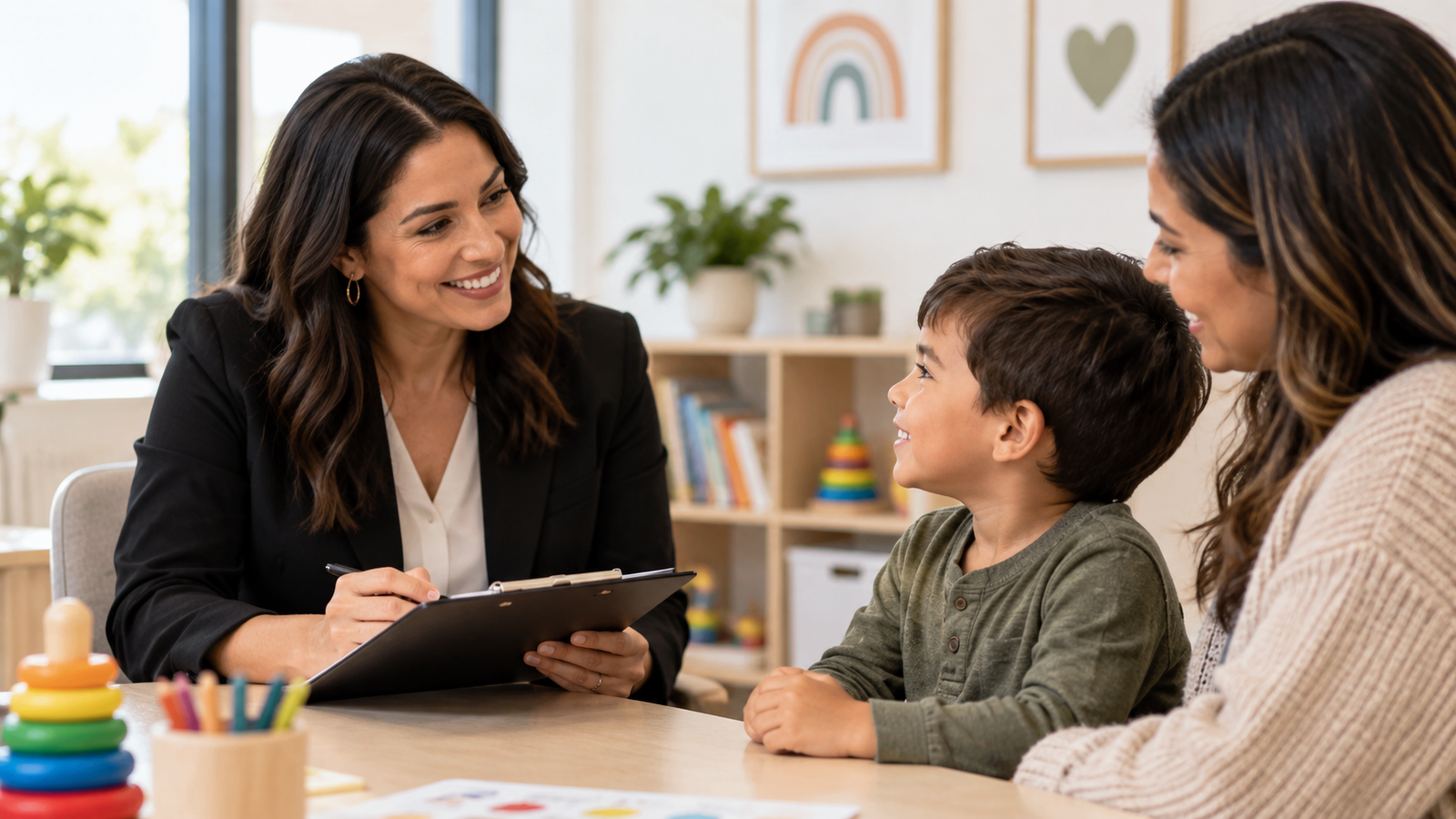
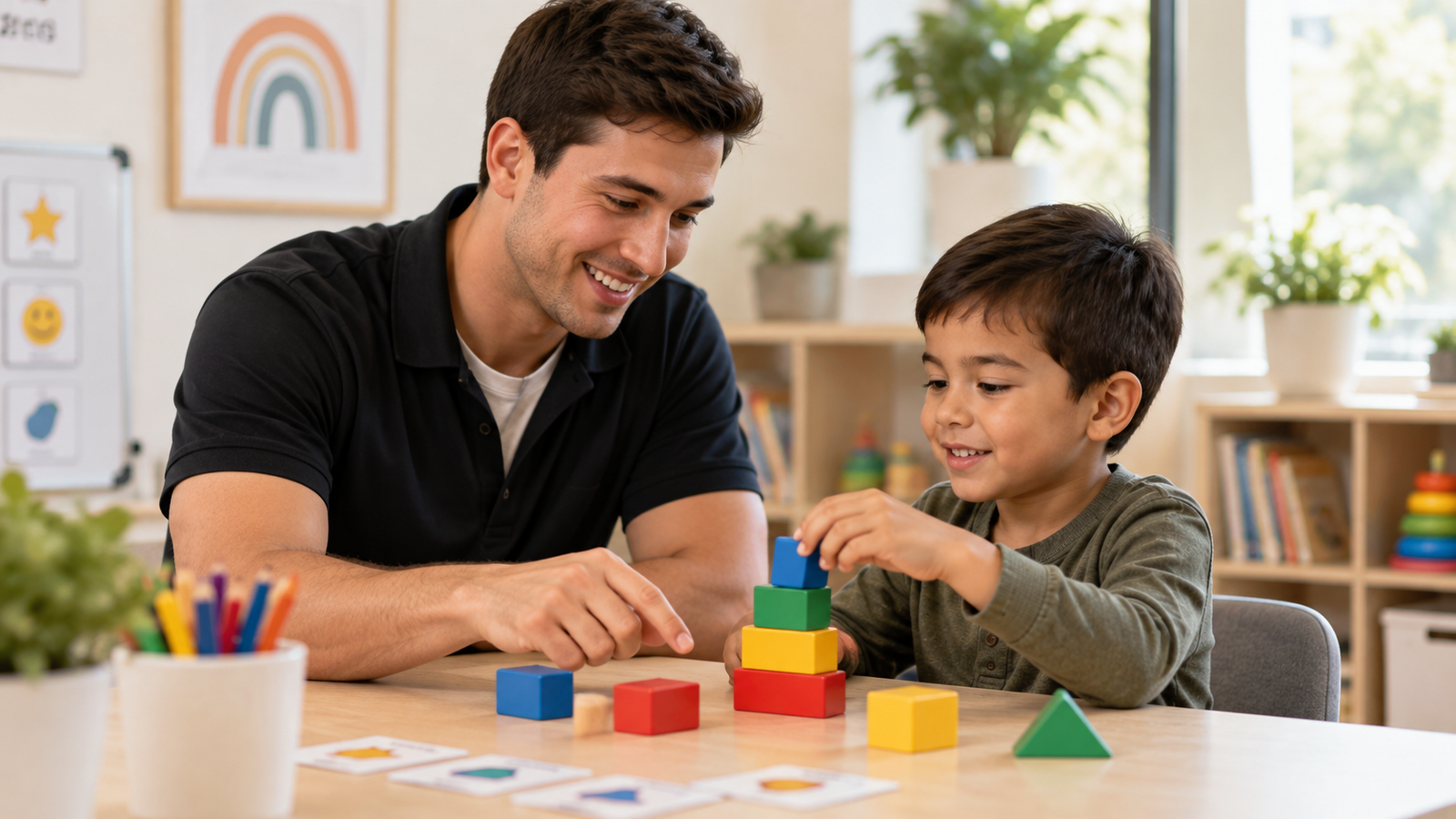
Treatment uses observable, measurable goals and ongoing data collection. Clinicians also consider direct observation, caregiver input, generalization, functional relevance, and barriers to progress.
Examples of Outcomes
- Functional communication
- Adaptive and daily-living skills
- Safety skills
- Participation in family or community routines
- Social engagement when meaningful to the individual
- Reduction of behavior that creates safety or functional barriers
- Caregiver confidence and implementation of agreed strategies
Individual Variation
Rate and degree of progress vary. Outcomes should not be guaranteed, and goals should be reviewed as the child’s needs change.
Reassessment
Periodic reassessment and treatment-plan review help determine whether goals, service intensity, or strategies should change.
Next Step
With authorization, relevant progress information can be coordinated with the referring provider.