
Communication Tips
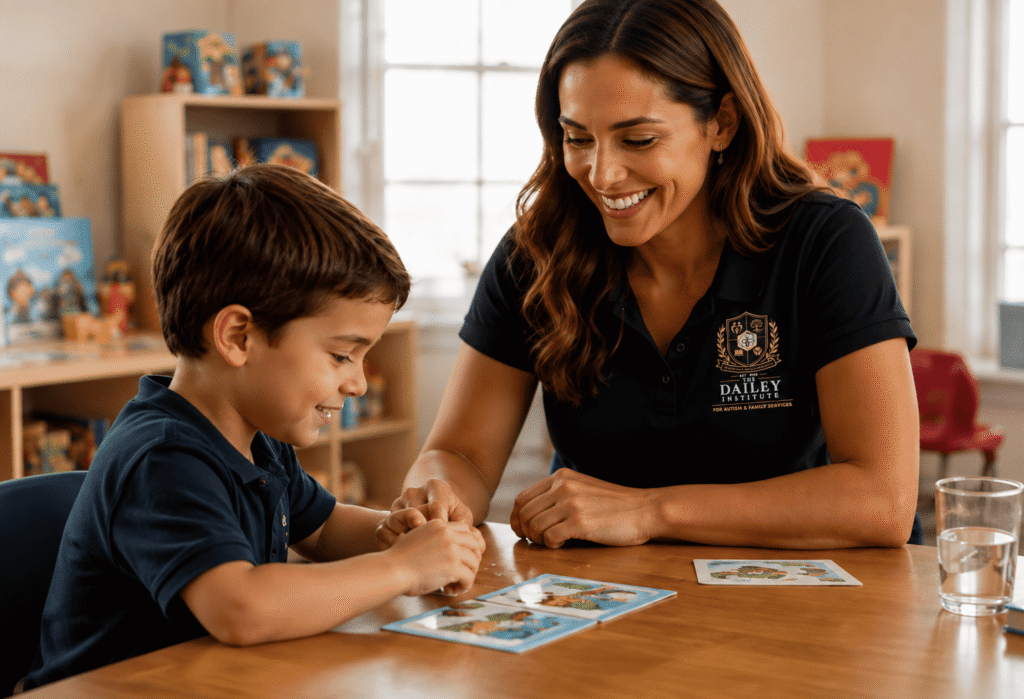
Keep It Clear Use direct language Give one direction at a time when helpful Allow additional processing time Show as well as tell Offer choices when appropriate Avoid repeated rapid-fire questions Respect Different Communication Speech is not the only valid form of communication. Individuals may use gestures, signs, writing, pictures, or AAC. During Distress Reduce […]
Planning Sensory-Friendly Events

Before the Event Describe expected noise, lighting, crowd size, and activities in advance Provide maps or visual schedules Identify quiet or lower-stimulation areas Train volunteers Explain accommodation-request procedures During the Event Reduce unnecessary amplified sound when possible Offer flexible seating or participation Keep quiet areas clearly marked Allow sensory tools when safe Use clear signage […]
Inclusion Checklist
Facility Accessible entrances and routes Clear signage Lower-stimulation area when feasible Restroom accessibility Safe waiting areas Communication Plain-language instructions Visual information where helpful Accommodation contact information Advance event details Staff Basic autism/disability awareness Respectful communication Emergency procedures Clear escalation/contact plan Programming Flexible participation where feasible Predictable expectations Sensory considerations Family feedback process Next Step Format […]
Autism Awareness & Acceptance Guide
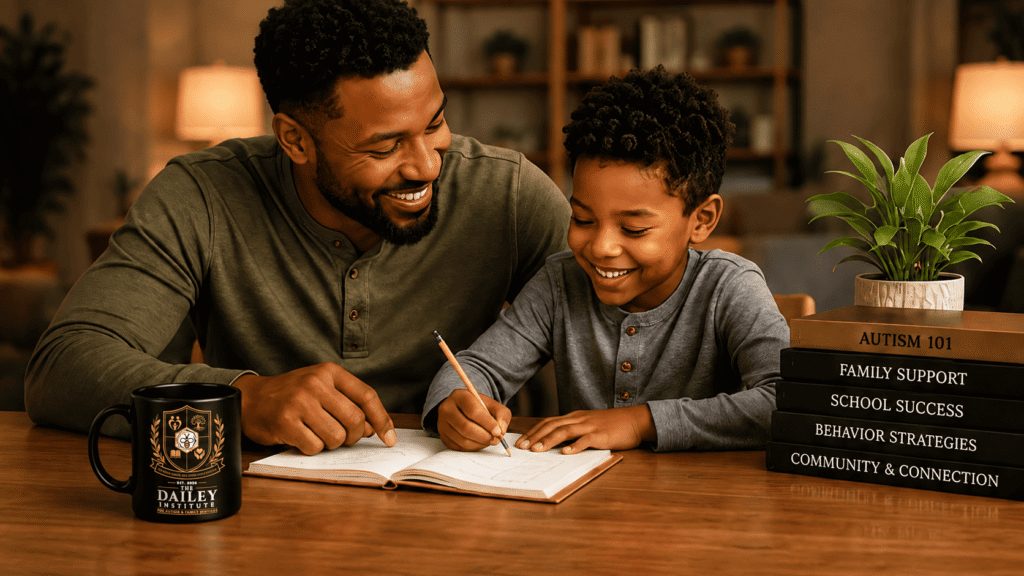
Awareness Staff should understand that autism can affect communication, sensory experience, routines, social interaction, and behavior in different ways. Acceptance Acceptance means respecting neurological differences and avoiding the assumption that all autistic behaviors need to be corrected. Language Some people prefer identity-first language (‘autistic person’) while others prefer person-first language (‘person with autism’). When possible, […]
Inclusive Event Planning Checklist

Before Publish clear event information Identify accessibility and sensory options Create a quiet-space plan Train staff/volunteers Review emergency procedures Prepare visual schedule/map if useful During Keep accommodation information visible Monitor noise/crowding Maintain quiet space Allow reasonable flexibility Know who handles concerns After Gather participant feedback Document lessons learned Update future event plans Next Step Format […]
Community Partnership Guide

Partnership Opportunities Educational presentations Resource sharing Inclusive community events Staff awareness training Referral/resource coordination Family outreach initiatives Set Clear Roles Define the purpose, audience, responsibilities, privacy expectations, and desired outcome before starting a partnership. Protect Privacy Do not share identifiable family or client information without appropriate authorization. Measure Value Track participation, feedback, accessibility improvements, and […]
Autism Guide for First Responders
Community Partner FAQ
Where should we start? Start with staff education, clear communication, accessibility review, and asking families or participants what barriers they encounter. Do we need a special autism program? Not always. Often the highest-value changes improve access to existing programs. Can The Dailey Institute provide education or collaborate? The Institute welcomes appropriate opportunities for community education, […]
Becoming a Registered Behavior Technician (RBT)
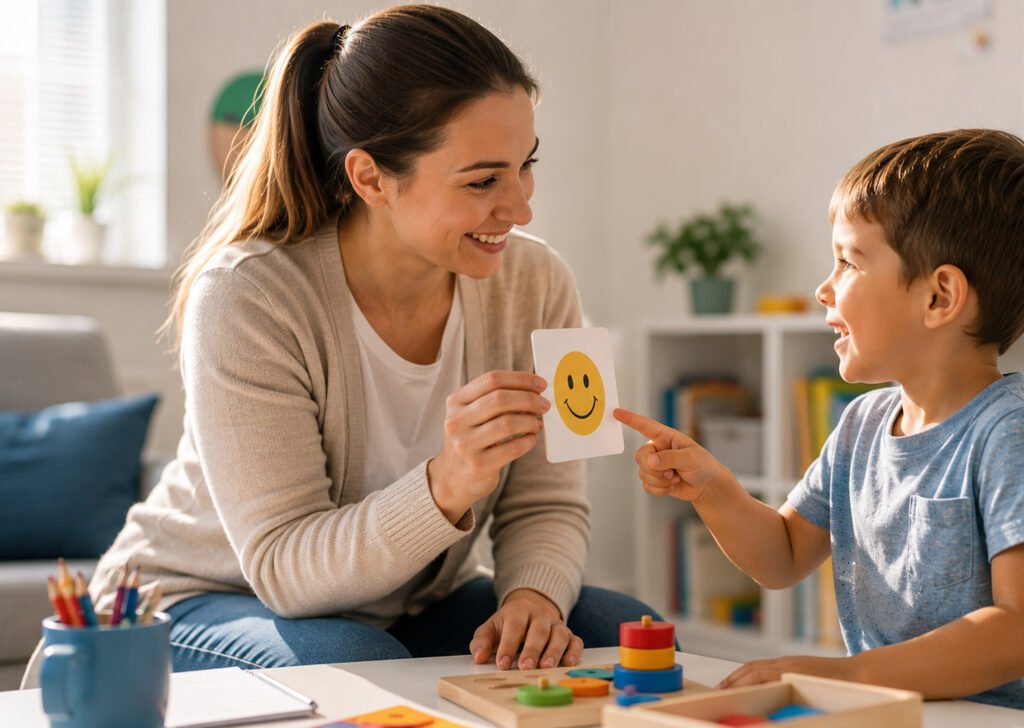
What an RBT Is The RBT is a paraprofessional certification in behavior analysis. RBTs deliver behavior-analytic services under the direction and close supervision of qualified certificants responsible for their work. 2026 Eligibility Overview Be at least 18 years old Have at least a high-school-level education or equivalent Meet current criminal-background and abuse-registry check requirements Complete […]
